
And Why Annual Eye Exams Are Even More Important Now than Ever!
As we hit our 40s, our bodies go through a lot of changes, including our eyes. Even those who’ve had 20-20 vision can find themselves squinting or coping with other vision-related troubles for the first time. As you get older, your risk for certain eye diseases increases. In this article, we’ll take a look at the vision changes you can expect in your 40s and why it’s so important to make it a point to get your eyes checked on a regular basis.
Reduced Vision
As you age, you may find yourself needing more light to see clearly, or needing to hold your phone further away to read a text message. After 40, it’s common to need reading glasses. This is because as we age, the lens inside the eye becomes less flexible, making it harder to view things clearly when they are up close.
We can’t grow longer arms, so the only solution here is to visit your eye doctor for an eye exam. Depending on your prescription, you may be able to get away with buying inexpensive readers from your local drugstore. Or you may need something more customized. Today’s options for glasses are much more fashionable than the old style bifocals with the telltale line. Now you can even get multifocal contact lenses that allow you to see at all distances without having to pull out glasses to read something.
Difficulty Seeing After Dark
Reduced night vision is a common symptom of aging eyes, caused by the aging of the photoreceptors in the eyes. It might be feeling like headlights are bright and harsh, or you may have increased halos or glare.
Unfortunately, there isn’t much that can be done to truly improve your night vision. However, the best defense is to visit your eye doctor annually to ensure your prescription glasses or contacts are up to date. This will help keep your vision as sharp as possible in all conditions.
Dry Eyes
While dry eyes can be a problem for both men and women, women are more likely to experience dry eye after the age of 35, thanks to shifts in hormones. Living in a dry climate can exacerbate the condition, as well as dry indoor air. Normally, people blink about 30 times a minute, but when you’re staring at a computer, you only blink about half that much, also leading to increased eye strain.
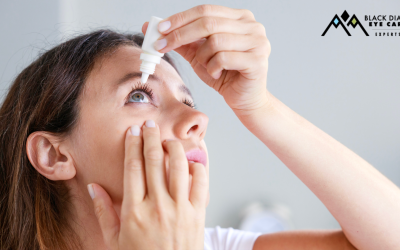
If you feel like over the counter eye drops just aren’t cutting it anymore, it may be time to visit your eye doctor. Prescription eye drops can help rebuild your tears to normal levels. Over the counter can continue to help you deal with the discomfort of dry eye, just stay away from redness-relieving drops as these just deal with redness by constricting blood vessels, doing nothing to help with dryness.
Your diet can also play a role in lubricating chronic dry eyes. Drink plenty of water and avoid dehydrating things such as alcohol, especially red wine. Increase your intake of omega-3s (like those found in salmon) as these can increase lubrication throughout the body.
Macular Degeneration
The macula is located at the back of the retina and is what helps provide you with sharp central vision. When the macula breaks down, the layers start to separate and leak, leading to a gradual blurriness in central vision.
There is no cure for age-related macular degeneration (AMD), but there has been some progress in improved treatments. The best thing you can do is to visit your eye doctor annually. The earlier AMD is caught, the better your prognosis. When left untreated, AMD can lead to permanent vision loss. If you have a history of AMD in your family, your eye doctor may recommend a diet rich in antioxidants as a helpful overall preventative approach.
Glaucoma
Glaucoma is caused by a buildup of pressure in the eye, which can cause damage to the optic nerve. Without treatment, vision loss (starting with the peripheral vision) is common.
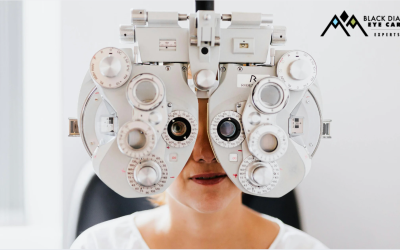
Everyone over 40 should get a full eye exam every year during which your eye doctor tests the pressure in your eyes, examines the optic nerve, and dilates and examines the pupil. When diagnosed early enough, glaucoma can be treated.
Cataracts
The lens of the eye is made up primarily of water and protein. As we age, the proteins can clump together and become a cataract. This results in the lens of the eye becoming cloudy, making vision blurry, reducing night vision, and possibly creating the illusion of halos when you look at lights.
Prolonged exposure to UV rays can exacerbate the problem, so wear anti-glare sunglasses whenever you are outside. If a cataract is found early enough, non-surgical solutions, like new glasses prescription, may be adequate. More advanced cases require surgery to remove the clouded lens and replace it with an artificial one.
Key Takeaways
Changes in our eyes are unavoidable as we age. However, by scheduling regular appointments with your eye doctor, you can stay on top of your eye health, allowing you to catch changes earlier. This means clearer vision and healthier eyes for longer!
Ready to schedule an eye exam? Black Diamond Eye Care provides comprehensive eye exams with two convenient locations in Douglas County. Whether you have a specific concern or just want to schedule your annual exam, our team can help you see clearly and comfortably. Schedule your appointment today!